Late Jurassic

Dakosaurus

There were numerous kinds of marine reptiles which swam in the oceans during the Mesozoic Era, including the ichthyosaurs, plesiosaurs, and mosasaurs. Less well known are the marine crocodilians, or more accurately, crocodylomorphs. These animals are known as the thalattosuchians,… Read More ›

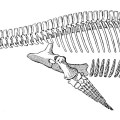
Pliosaurus

We all know that dinosaurs walked the earth in prehistoric times, and many of us are also aware that pterosaurs flew across the skies and fearsome marine reptiles swam in the oceans. Some of these marine reptiles (which weren’t dinosaurs,… Read More ›

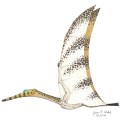
Kepodactylus

Kepodactylus was a species of pterosaur which lived in western North America during the late Jurassic Period 150 million years ago. In 1992, a nearly-complete Stegosaurus skeleton was discovered in Garden Park, Colorado within the rocks of the Morrison Formation…. Read More ›

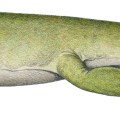
Leedsichthys

Leedsichthys was a very large prehistoric saltwater fish which lived during the middle and late Jurassic Period, circa 165-150 million years ago. It was named in 1889 in honor of Alfred N. Leeds who found the first specimen. Leedsichthys belonged… Read More ›

Aegirosaurus

Aegirosaurus leptospondylus was a 6 foot long ichthyosaur which lived in the seas around Europe during the late Jurassic Period and early Cretaceous Period, roughly 147-135 million years ago. Aegirosaurus belonged to a family of ichthyosaurs called the ophthalmosaurids (Bardet… Read More ›

Arthropterygius

Arthropterygius, “jointed fin”, was a genus of ichthyosaur which lived in the Arctic Ocean during the Jurassic/Cretaceous transition period about 150 to 140 million years ago. Fossils of it have been found in Canada, Scandinavia, and Russia, and bones which… Read More ›

Gargoyleosaurus

When people think of “armored dinosaurs”, they generally think of two kinds of creature: the stegosaurs and the ankylosaurs. Both of these groups belong to the dinosaur sub-order Thyreophora, which means “armor-bearing” in ancient Greek. The dinosaur group Ankylosauria or… Read More ›