Hot off the presses! Scientists have an idea about what color Mesozoic marine reptiles, which are sometimes Romantically referred to as “sea dragons”, were in life. Apparently, some of them were dark or even black in color. The findings were published in… Read More ›

Mesozoic
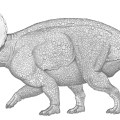
Triceratops
Triceratops was the last and largest of the ceratopsians, the “horn-faced” dinosaurs – other familiar members of this group include Chasmosaurus, Styracosaurus, and Protoceratops. Triceratops existed from about 70-65.5 MYA, and measured 30 feet long. There are currently two confirmed… Read More ›
Acheroraptor: A new “raptor” dinosaur from the Hell Creek Formation
A few days ago, scientists announced the discovery of a new species of dinosaur – Acheroraptor, “thief from Acheron”. I’m sorry to disappoint all of you Aliens fans, but no, this dinosaur is NOT named after Planet LV-426, code-named “Acheron”…. Read More ›

Ornithomimus
Ornithomimus (“bird mimic”) is a dinosaur genus belonging to a group commonly known as the “ostrich dinosaurs” or “ostrich mimics”. This name comes from their very ostrich-like appearance, with toothless beaks, long swan-like S-shaped necks, and powerful muscular legs. There… Read More ›
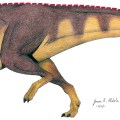
Edmontosaurus
Edmontosaurus was a type of hadrosaur, commonly called a “duck-billed dinosaur” which lived in western North America at the end of the Cretaceous Period, dating from approximately 75-65.5 MYA – that’s right, another Hell Creek dinosaur! Currently, there are two… Read More ›

Tyrannosaurus rex – IN COLOR!
Ever since I put my “Tyrannosaurus rex head” and “Tyrannosaurus rex body” drawings on this website months ago, visitors to this blog have always been looking at them. I know that because I regularly view my visitor stats when I… Read More ›

The Changing Face of Camptosaurus
Camptosaurus dispar was a type of ornithopod ornithischian dinosaur which lived in western North America during the late Jurassic Period. It measured 20 feet long and possibly weighed a ton. Camptosaurus was the largest ornithopod found within the Morrison Formation…. Read More ›

Dromaeosaurus
Dromaeosaurus albertensis was a six-foot carnivore which lived in western North America during the Late Cretaceous Period. It is a distant cousin of Deinonychus and Velociraptor. Only one fragmentary skeleton was found in Alberta, Canada, although its teeth have been… Read More ›

Pachycephalosaurus
Pachycephalosaurus wyomingensis was the last and largest of the so-called “dome-headed” dinosaurs. It measured fifteen feet long and lived 68-66 million years ago, right at the very end of the age of dinosaurs. Its fossils have been found in Wyoming… Read More ›
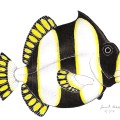
Two Triassic Pycnodont Fishes: Brembodus and Eomesodon
Here are color pencil drawings of two genera of prehistoric fish. Their fossils have been found in central Europe in rocks dating to the late Triassic Period. Both of these fish belong to a group called the pycnodonts, and it… Read More ›
 DINOSAURS AND BARBARIANS