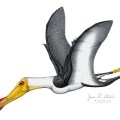
Tropeognathus, meaning “keel jaw”, was a large pterosaur which lived in Brazil during the middle of the Cretaceous Period 112 million years ago. Tropeognathus was a member of a group of pterosaurs called the anhanguerids, named after the genus Anhanguera…. Read More ›
South America
Alamosaurus
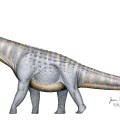
Introduction When one hears the word “dinosaur”, one often imagines the sauropods – the large long-necked long-tailed plant-eaters which came to dominate Earth’s landmasses during the Jurassic Period. The sauropods died out in North America at the end of the… Read More ›
Xiphactinus
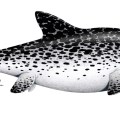
There are many iconic predators of the Seven Seas: the Great White Shark, the Killer Whale, the Giant Squid, and others. In prehistoric times, the list of “epic marine killers” was much longer. One of those who definitely deserves a… Read More ›
Cladocyclus
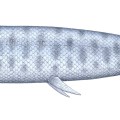
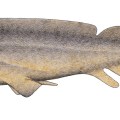
Cladocyclus was a 4 foot long saltwater fish which lived around South America and Australia during the middle Cretaceous Period 110-100 million years ago. The famous Swiss ichthyologist Louis Agassiz coined the name Cladocyclus in 1841. The name, which means… Read More ›
Anhanguera
Anhanguera was a pterosaur which lived in Brazil during the middle Cretaceous Period 98-92 million years ago. Fossils have been found within the Romualdo Formation of Brazil’s Araripe Basin. Anhanguera is the namesake member of the pterosaur family Anhangueridae, which… Read More ›
Polyptychodon
Polyptychodon was a 23 foot long pliosaur which lived around North America, South America, and Europe during the middle Cretaceous Period 100-90 million years ago. The name Polyptychodon means “many-folded tooth” and refers to the ribbed surface on the teeth’s… Read More ›
Xenacanthus
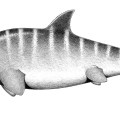
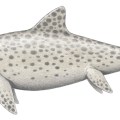
Xenacanthus, meaning “strange spine”, was a 3 foot long shark-like freshwater fish which lived in North America, South America, Europe, and Asia from the second half of the Carboniferous Period to the end of the Permian Period, approximately 323-251 million… Read More ›
Caypullisaurus
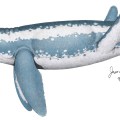
Caypullisaurus was a 20 foot long ichthyosaur which lived off the coast of Argentina (and possibly elsewhere) during the late Jurassic and early Cretaceous Periods 150-140 million years ago. In 1989, the front half of a skeleton of a medium-sized… Read More ›
Mosasaurus
Mosasaurus was a genus of fully-aquatic marine lizards which lived throughout the world’s oceans during the late Cretaceous Period approximately 75-66 million years ago. Fossils of this animal were first discovered in 1764 within a chalk mine in the town… Read More ›
Gualolepis
Gualolepis was a prehistoric freshwater fish which lived in western Argentina during the middle of the Triassic Period 235-234 million years ago. Only two specimens of this fish have been found (collection ID codes: PULR 106 and PULR 107), and… Read More ›